
Wiring Built to Carry What Comes Next
Electrical Installation in Taunton for new construction, home additions, and full system upgrades
Tanner Lopes Electrician provides electrical installation across Taunton and surrounding towns for homeowners adding square footage, building new, or replacing systems that no longer support the load. You need wiring that matches how your home actually operates, not just what passed code twenty years ago. Every circuit is planned for both immediate use and future capacity, and the work is installed cleanly with attention to placement, labeling, and access.
A full electrical installation involves running wire from the panel to every outlet, switch, fixture, and appliance location in the space. Wire gauge, circuit count, and breaker size are determined by the load each room will carry. In older homes, this often means working inside finished walls, coordinating with other trades, and ensuring the new circuits integrate with the existing panel. In new construction, the process starts with roughing in wire through open framing before walls are closed, then returning for trim-out once drywall and paint are complete. Each installation is tested for continuity, grounding, and proper voltage before power is energized.
If you are planning a remodel, addition, or new build and need a system that supports your home's electrical needs long-term, reach out to discuss layout and capacity planning.
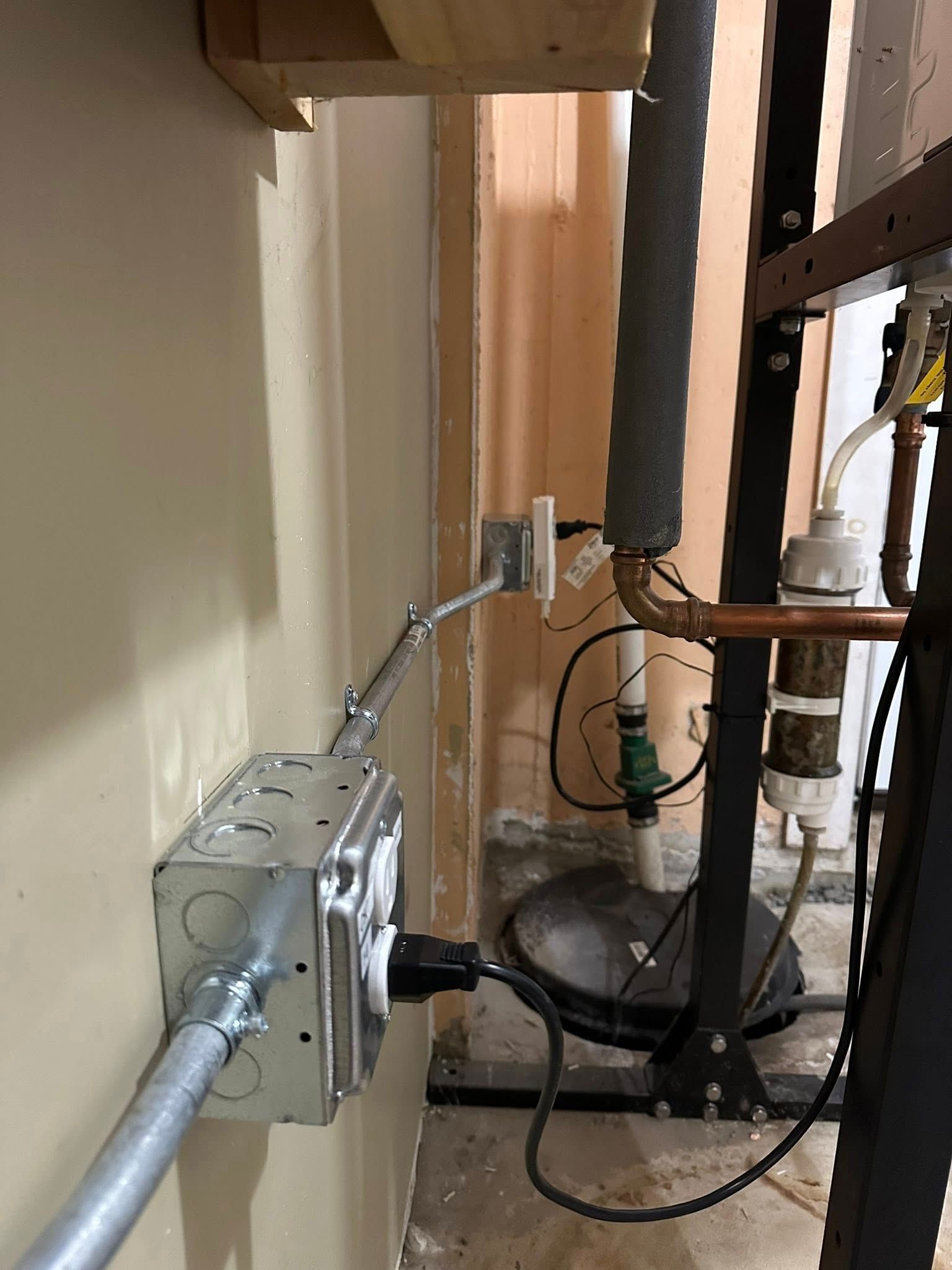
What Happens During a Full Installation
You start with a walkthrough or plan review to identify where power is needed and what equipment will connect to each circuit. That includes lighting, receptacles, dedicated appliance circuits, and any hardwired systems like smoke detectors or ceiling fans. Wire is sized based on amperage, and circuits are grouped logically by room and function to avoid overloading any single breaker. Conduit or Romex is used depending on location and code requirements, and all connections are made inside rated boxes with secure fasteners.
Once the installation is complete, you will have outlets that deliver consistent power without tripping, switches that control the correct fixtures, and a panel that clearly identifies every circuit. Tanner Lopes Electrician labels each breaker and provides a circuit map so you know exactly what controls what. The system is tested under load to confirm it performs as designed, and all work is left ready for inspection if required.
The process also includes coordinating rough-in and trim-out schedules with other contractors, confirming box placement before drywall goes up, and ensuring the panel has enough available slots and amperage for the new circuits. If the existing panel cannot support the added load, an upgrade is completed before the new circuits are connected. Installations do not include low-voltage systems, structured wiring, or equipment purchased separately unless specified in the scope.
Questions About Installing New Electrical Systems
Homeowners in Taunton often ask about timing, panel capacity, and what is included when wiring a new space or upgrading an existing system.
What is included in a full electrical installation?
You receive all circuit wiring, outlet and switch installation, panel connections, grounding, labeling, and testing required to deliver power safely to every planned location in the space.
How do you determine how many circuits are needed?
Circuit count is based on the number of rooms, the types of devices and appliances being used, and the total expected load, with separate circuits required for high-draw equipment like ranges, water heaters, and air conditioning units.
When does a panel upgrade become necessary during installation?
If your existing panel does not have enough open breaker slots or the total amperage is insufficient to support the new load, the panel must be upgraded before new circuits are added.
Why is wire gauge important in residential installations?
Wire gauge determines how much current can flow safely through the circuit, and using undersized wire creates heat buildup and fire risk, so every wire is matched to the breaker size and load type.
How long does a typical installation take for a home addition?
Timing depends on square footage and complexity, but most additions require one to two days for rough-in and another day for trim-out once walls and finishes are in place.
If your project involves new wiring or a complete system replacement and you want clean, code-compliant installation with proper planning for future capacity, contact Tanner Lopes Electrician to schedule a consultation and get a detailed project estimate.